
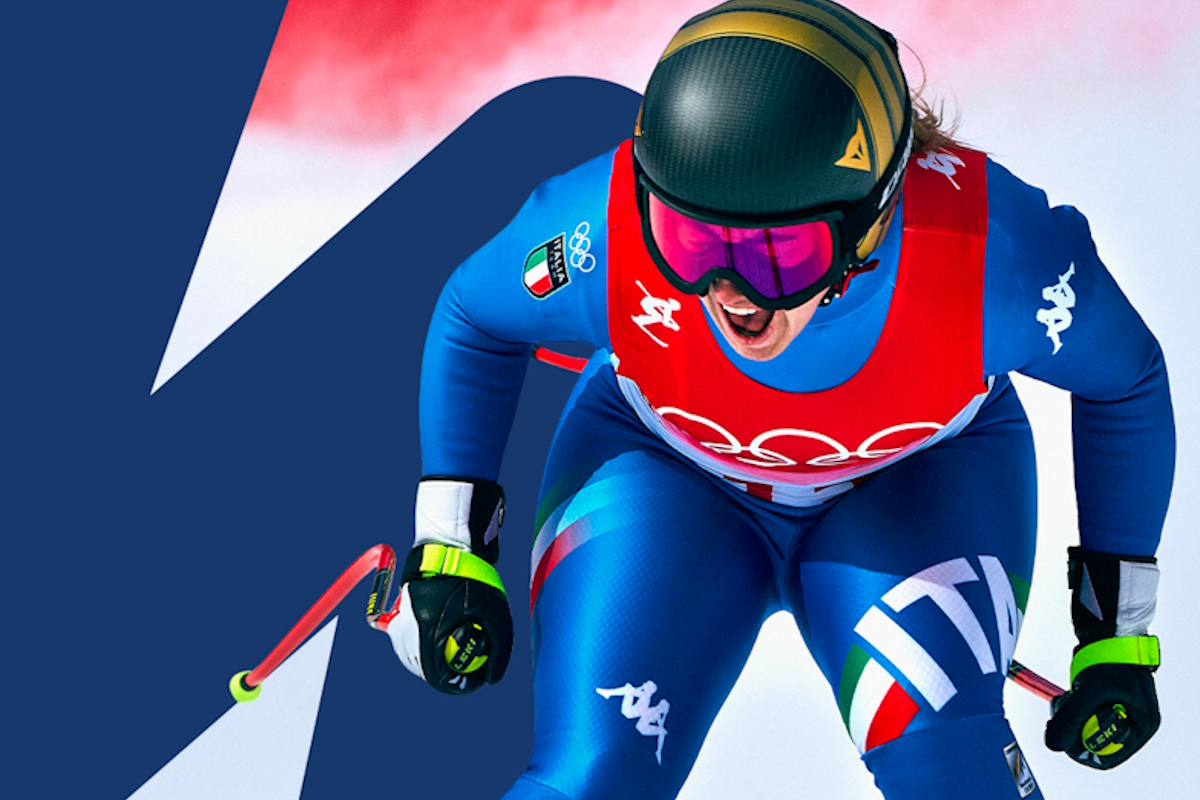
The 25th Winter Olympic Games will be held in Milan and Cortina d’Ampezzo, Italy, from February 6 to 22, 2026.
The 25th Winter Olympic Games will be held in Milan and Cortina d’Ampezzo, Italy, from February 6 to 22, 2026.
The 25th Winter Olympic Games, known as Milan-Cortina 2026, will take place in Italy from February 6 to 22, 2026. It will be a joint hosting between Milan and Cortina d’Ampezzo, marking the return of the Games to Italy since 2006. The program includes 16 sports, with a new addition: ski mountaineering (Skimo).

The mascots for the Winter Olympic Games are Tina and Milo, two

On the occasion of the 25th Winter Olympic Games, broadcast by ERT, we share with you 10 exciting facts and records from their history.
An Olympic debut born from uncertainty (1924, Chamonix)
The first Winter Olympic Games were not planned as a permanent event. Officially called the “International Winter Sports Week,” the 1924 event in Chamonix, France, was an experiment to gauge global interest in snow and ice sports. The success exceeded all expectations, with athletes from sixteen countries, and the International Olympic Committee (IOC) later recognized it as the first Winter Olympic Games.
Nature as the toughest competitor (1928, St. Moritz)
The 1928 Winter Games highlighted the extreme vulnerability of winter sports. Unusually high temperatures melted the ice and disrupted the competition schedule, forcing organizers to improvise continuously. Some events were postponed or modified, emphasizing the total dependence on weather conditions and accelerating the development of modern facilities.
The Silence of War (Games of 1940 and 1944)
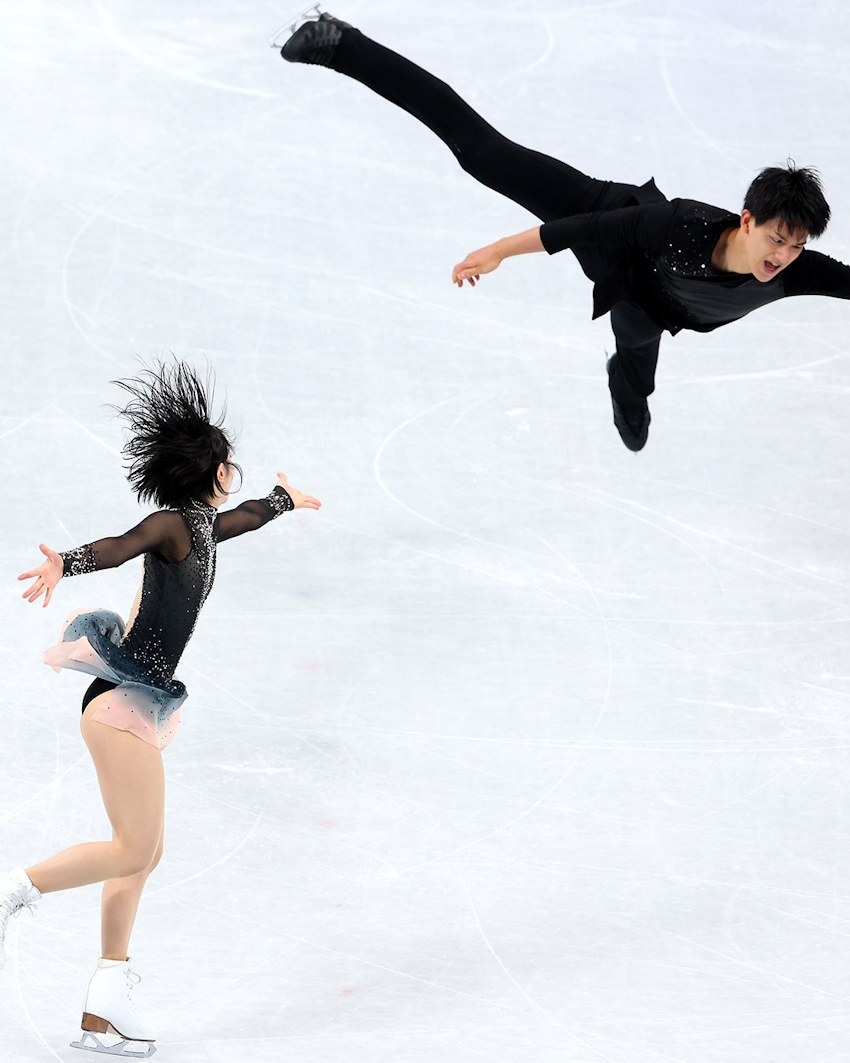
World War II caused the only cancellations of the Winter Olympic Games in history. The 1940 Games were repeatedly relocated before being ultimately canceled, while the 1944 Games were canceled from the outset. Athletes lost crucial years of their careers. The return in 1948 symbolized the restoration of international cooperation through sport.
The Arrival of Alpine Skiing Changed Everything (1936)
Before 1936, Olympic skiing focused mainly on endurance. The introduction of alpine skiing in Garmisch-Partenkirchen, Germany, radically changed the nature of the Games, emphasizing speed, technical precision, and risk. Despite initial resistance, alpine events became spectacular and shaped the future of the Winter Olympic program.
The First Modern Winter Games (1960, Squaw Valley)
The Squaw Valley Games in California marked a technological turning point. Electronic timing systems, instant result displays, and extensive television coverage were introduced. The preparation of artificial snow was considered revolutionary. The event demonstrated that the Winter Olympics could evolve technologically without losing their prestige.
When a City Rejected the Games (1976)
Denver’s withdrawal from hosting the 1976 Games set a historic precedent. Following a referendum, citizens voiced concerns about the financial costs and environmental impact. The Games were relocated to Innsbruck, Austria, and the decision had a long-term effect on the process of awarding Olympic events.
The Miracle That Became a Legend (1980, Lake Placid, USA)
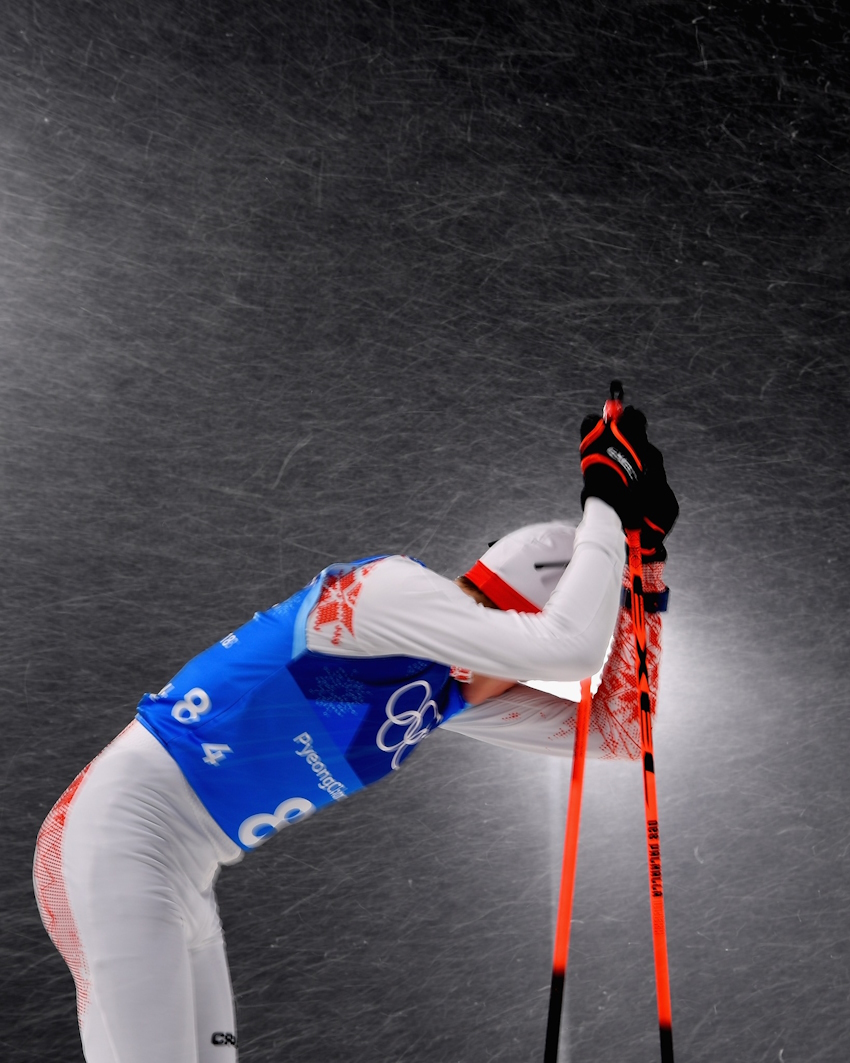
The victory of the U.S. national hockey team over the Soviet Union went beyond sports. A team of college students defeated the world hockey superpower, earning global admiration. The event gained political and symbolic significance, becoming one of the most iconic moments in Olympic history.
A New Olympic Rhythm (Transition 1992–1994)
For decades, the Summer and Winter Olympic Games were held in the same year. After 1992, the IOC established separate cycles, with the Winter Games returning in 1994. The change increased exposure, commercial value, and the autonomy of winter sports on the international stage.
Professionals Change the Competition (1998, Nagano)
The participation of NHL players in the Nagano Games in Japan dramatically elevated the level of Olympic hockey. For the first time, despite some objections, the world’s top professionals competed in the Olympics, raising both the competition and the spectacle.
Records That Shaped National Identity (The Bjørn Dæhlie Era)
Norwegian cross-country skier Bjørn Dæhlie dominated the Winter Olympics, winning 8 gold medals among many other achievements, embodying endurance, discipline, and strategic intelligence. His success strengthened Norway’s cultural connection to winter sports and demonstrated how individual excellence can define an entire Olympic era.